Flu (Influenza)

Flu Vaccine Finder
Weekly Flu Report
NYS Flu Tracker
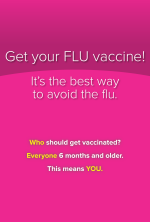
Getting a flu vaccine has many benefits
- The flu vaccine can keep you from getting the flu.
- The flu vaccine can help make your illness less severe if you do get sick with the flu.
- The flu vaccine can reduce the risk of being hospitalized with the flu for children and adults.
- Learn more about why it’s so important for pregnant women to get a flu shot during pregnancy.
The flu vaccine protects pregnant women during and after pregnancy from flu complications. It also protects their newborn children for several months after birth. - The flu vaccine reduces the risk of a heart attack in people with heart disease.
- The flu vaccine can reduce the risk of a child dying from the flu.
- The flu vaccine can reduce the risk of adults dying from the flu.
- Getting a flu vaccine can also help protect the people around you from getting the flu, especially people at high risk for serious complications from the flu.
- Getting a flu vaccine this fall is important to reduce your risk of flu and help ease the burden on a health care system.
- For more information see the fact sheet: Why Get a Flu Vaccine (PDF)
- For more information see the fact sheet: Why Get a Flu Vaccine (PDF)
Flu symptoms
The flu is not just a really bad cold. The flu is a contagious illness that affects the nose, throat, lungs, and other parts of the body. It can spread quickly from one person to another. It can cause mild to severe illness, and at times can lead to death.
Unlike a cold, flu symptoms start suddenly. They appear about 1 to 4 days after a person is exposed to the flu.
Flu symptoms may include:
|
|
Symptoms of coronavirus infection can be similar to flu symptoms. If you think you may have been exposed to someone with COVID-19 talk to your health care provider and get tested.
People at high risk of flu complications
Anyone can get the flu and serious complications from the flu can happen at any age.
Some people are at high risk for serious complications from the flu. This includes: older people, pregnant women, young children and people with certain health conditions. Three of the nation’s leading, non-profit health organizations – the American Lung Association, the American Diabetes Association and the American Heart Association - urge adults living with chronic disease to prioritize getting an annual flu vaccine and are also calling on health care professionals to advocate for and support flu immunization in their practices. Infants under 6 months of age have a higher risk of flu complications than children of any other age. Yet they are too young for the flu vaccine.
Those who live or work with people who are at high risk of flu complications should get a flu vaccine to keep from spreading the flu to them.
During the COVID-19 pandemic, flu vaccine is also especially important for:
- Flu vaccine is also especially important for people at risk of severe illness from COVID-19: including adults 65 years and older, residents in nursing homes or long-term care facilities, and anyone with underlying medical conditions.
You can't get the flu from getting the flu vaccine
The flu vaccine does not give you the flu. It stimulates your body to produce antibodies. These antibodies protect you from flu viruses. Once you get the flu vaccine, it takes about two weeks for it to be fully effective. You should not wait to get vaccinated.
How the virus is spread
The flu usually spreads from person to person when someone with the flu coughs or sneezes. Sometimes people get the flu because they touch an object or surface with flu virus on it -- and then touch their eyes, nose, or mouth.
Flu and COVID-19
Vaccination is the best defense against both the flu and COVID-19. Both vaccines are necessary to help people stay healthy and to avoid added stress to our health care system. The CDC says it’s safe to get the flu vaccine and a COVID vaccine at the same time.
It may be hard to tell the difference between flu and COVID-19 because many of the symptoms are similar. Testing may be needed to help confirm a diagnosis. You can also learn about the similarities and differences between flu and COVID-19 here or talk to your health care provider.
